An eviction may be considered illegal when it does not follow required legal procedures. Whether an eviction is illegal ultimately depends on state law and how a court evaluates the facts. This guide explains the types of evidence courts commonly review when determining whether an eviction was unlawful, including cases that may be brought in small claims or housing-related courts.
This article is for general informational purposes and focuses on evidence and court considerations, not legal advice.
Table of Contents
What Is Considered an Illegal Eviction?
In general, an eviction may be considered illegal if a landlord removes or forces a tenant out without following the legally required process. Common examples can include:
- Locking a tenant out without a court order
- Removing a tenant’s belongings
- Shutting off utilities to force a tenant to leave
- Using threats or intimidation instead of legal eviction procedures

What qualifies as illegal eviction varies by state, and courts review each case based on applicable landlord–tenant laws and the evidence presented.
What Evidence Can Help Prove an Illegal Eviction?
Courts rely on documentation and objective proof. The following types of evidence are commonly reviewed:
👉:evidence commonly used to support an illegal eviction claim
1. Lease or Rental Agreement
A written lease helps establish:
- The tenant’s legal right to occupy the property
- The terms under which eviction is permitted
Even in month-to-month arrangements, written or digital agreements can be relevant.
2. Written Notices or Lack of Notice
Evidence may include:
- Eviction notices (or the absence of required notice)
- Emails, letters, or text messages from the landlord
Courts often examine whether proper notice was given under state law.
3. Photos or Videos
Visual evidence can show:
- Changed locks
- Removed belongings
- Utility shutoffs or damaged property
Time-stamped images are particularly helpful in establishing when actions occurred.
4. Utility Records
Utility statements or shutoff notices can help demonstrate:
- Intentional termination of essential services
- Dates utilities were disconnected
In some states, utility shutoffs are specifically restricted during tenancies.
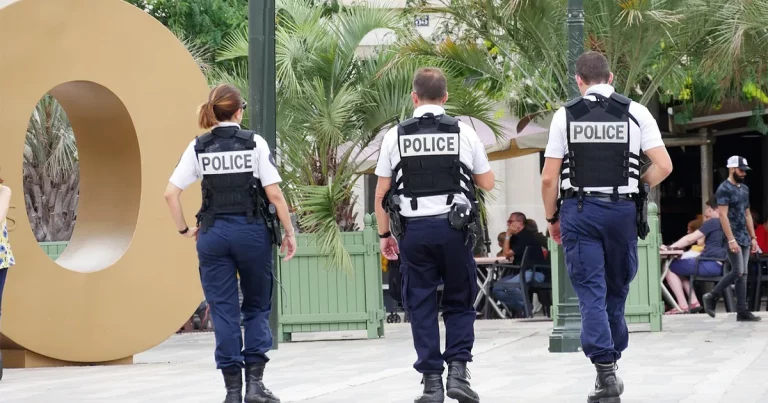
5. Police or Incident Reports
If law enforcement was contacted:
- Police reports may document lockouts or disturbances
- While police do not determine legality, reports can support a timeline of events
- 👉whether police involvement determines eviction legality
6. Witness Statements
Statements from neighbors, roommates, or third parties can help confirm:
- When the tenant was forced out
- Actions taken by the landlord
Courts may accept written or sworn statements depending on jurisdiction.
How Courts Evaluate Illegal Eviction Claims
Courts generally look at:
- Whether proper legal procedures were followed
- Whether the tenant had a legal right to remain
- Whether the landlord used self-help measures instead of court processes
Judges do not rely on a single document but evaluate the overall pattern of conduct supported by evidence.👉:how courts review illegal eviction cases
Can Illegal Eviction Disputes Be Brought in Small Claims Court?
In some states, tenants may pursue eviction-related disputes in small claims court, particularly when seeking monetary damages within the court’s limits. Small claims courts typically focus on:
- Documentation
- Clear timelines
- Objective proof rather than legal arguments
Rules vary by state, and certain eviction remedies may require housing or civil courts instead.👉small claims court limits and procedures
Do Illegal Eviction Laws Vary by State?
Yes. Illegal eviction standards, notice requirements, and available remedies vary significantly by state. Courts apply local statutes and case law when reviewing eviction disputes.
For state-specific information, it is important to review the applicable landlord–tenant laws where the property is located.
👉:landlord–tenant laws vary by state
Frequently Asked Questions
What counts as an illegal eviction?
An eviction may be considered illegal if it bypasses required court procedures or uses prohibited self-help actions. The definition depends on state law.
What proof do courts usually accept?
Courts commonly accept leases, notices, photos, utility records, and witness statements, evaluated together rather than individually.
Does every illegal eviction case go to court?
Not necessarily. Some disputes resolve through negotiation or administrative processes, while others proceed to small claims or civil court depending on the situation.
Key Takeaway
Proving an illegal eviction depends on clear evidence, documentation, and how a court applies state law. Organizing records and understanding what courts typically review can help clarify whether an eviction may be considered unlawful.
Author Disclosure
Written by Emily Carter, J.D.
Housing law researcher and Small Claims Court specialist with over 8 years of experience in landlord–tenant disputes.
This content is for educational purposes only and does not provide legal advice.