If you were injured at work in California, you’re probably feeling overwhelmed. I hear this question a lot:
“Can I just file a small claims case and get this over with?”
It’s a fair question. Small claims court sounds simple, fast, and inexpensive. But here’s the honest answer—in most cases, small claims court is not the right place for workplace injury cases in California.California Small Claims Court Guide for Tenants & Landlords (2026)
I want to explain why that is, in plain English. And just as importantly, I’ll show you what small claims court is actually good for, especially when it comes to landlord–tenant disputes like unpaid rent, security deposits, and repair costs.

Table of Contents
Why Workplace Injuries Usually Don’t Belong in Small Claims Court
Small claims court exists for simple money disputes. Workplace injuries, unfortunately, are rarely simple.
Workers’ Compensation Is the Default System
In California, most work-related injuries are handled through the workers’ compensation system. This isn’t optional—it’s how the law is structured.
Workers’ compensation is designed to cover things like:
Because this system exists, employees usually cannot sue their employer in small claims court for a workplace injury. I know that can be frustrating to hear, but it’s an important line the law draws.
Injury Cases Aren’t “Small” or Simple
Small claims court works best when:
- The facts are straightforward
- The dispute involves a clear dollar amount
- You don’t need medical experts or long-term evidence
Workplace injury cases almost always involve medical records, treatment timelines, and questions about fault. That’s simply not what small claims court was built for.
The Costs Often Exceed Small Claims Limits
Another practical issue: injury-related costs add up quickly. Medical bills and lost income can exceed California’s small claims limits before you even realize it.
That alone makes small claims court a poor fit for most injury cases.
What Small Claims Court Is Actually Good For in California
Now, here’s where small claims court does shine—and this is the area my work focuses on most.
Landlord–tenant disputes are some of the most common and effective cases handled in California small claims court.tenant and landlord disputes in small claims court
Common Small Claims Cases Involving Housing
Small claims court is often the right choice for disputes involving:
- Unpaid rent or disputed rent charges
- Security deposit disputes, including improper deductions
- Repair and maintenance costs paid out of pocket
- Lease agreement violations involving money
If your case is about money owed under a rental agreement, small claims court is often the fastest and most practical option.
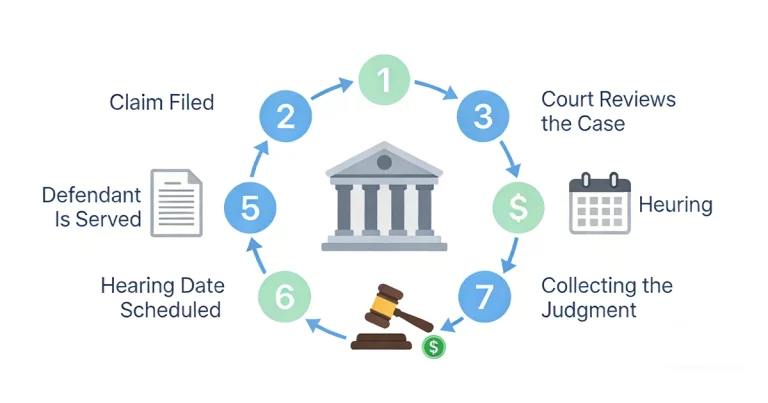
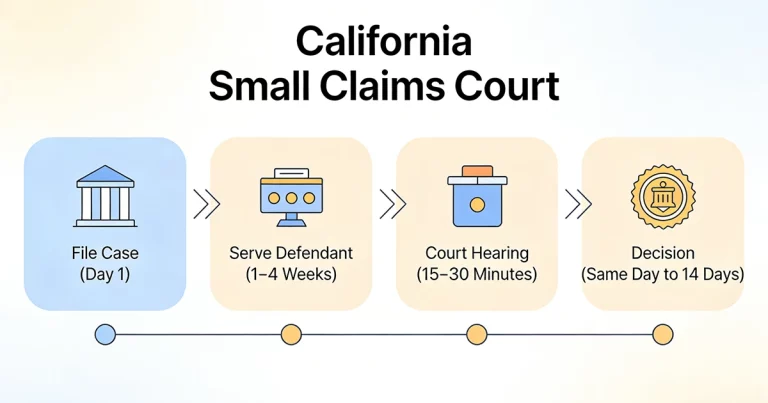
If you’re ready to move forward, I walk through the full process step by step in this guide on how to file a small claims case in California.
Small Claims Court vs. Workers’ Compensation (A Quick Reality Check)
Here’s a simple comparison I often use when explaining this to clients:
| Topic | Small Claims Court | Workers’ Compensation |
|---|---|---|
| Purpose | Resolve simple money disputes | Handle work-related injuries |
| Typical cases | Rent, deposits, repairs | Workplace injuries |
| Suing an employer | Rare | Usually prohibited |
| Medical evidence | Minimal | Often extensive |
| Process | Informal, quick | Administrative and structured |
This contrast is exactly why small claims court and workplace injuries usually don’t mix.
When Small Claims Court Does Make Sense
If your issue isn’t about an injury—but about housing or rental money—small claims court may be the right move.California small claims court limits
You might consider small claims court if:
In those situations, small claims court can be efficient, affordable, and effective.
If you want a clear, practical walkthrough, see my guide on filing a small claims case in California.
Frequently Asked Questions
Can I sue my employer in small claims court in California?
In most cases, no. California law generally requires workplace injury claims to go through workers’ compensation instead of small claims court.
What types of cases work best in small claims court?
Small claims court works best for landlord–tenant disputes, such as rent disagreements, security deposit claims, and repair reimbursements.
What is the small claims filing limit in California?
The filing limit depends on who is filing and the type of claim. I explain the current limits and exceptions in my California small claims court guide.
A Final Word
If you were injured at work, I know it’s tempting to look for the fastest solution. But small claims court is usually not the right path for workplace injuries.
On the other hand, when it comes to rent, deposits, and housing-related disputes, small claims court is often exactly the tool the law intended.
Understanding the difference can save you time, money, and a lot of unnecessary stress.
Emily Carter, J.D., focuses on landlord–tenant disputes and small claims court procedures in California. Her writing aims to help renters and property owners understand their legal options clearly and realistically.