A clear guide to North Carolina landlord rights, responsibilities, eviction rules, security deposits, repairs, and rental laws. Know what landlords can and cannot do.
North Carolina is widely considered a landlord-friendly state, offering flexible rent policies and a straightforward eviction process.
This EEAT-compliant guide explains everything landlords (and tenants) need to know, written in a clear, practical format that reflects real-life rental scenarios in North Carolina.
Table of Contents
1. 📘 Overview of Rental Laws in North Carolina
North Carolina’s rental laws are regulated by:
Local court procedures for eviction and deposit disputes
The state does not regulate rent prices, making policies flexible for landlords.

2. 🛠️ Habitability Standards (Legal Requirements for Property Conditions)
Under NC law, landlords must provide a fit and habitable home, including:
3. 🔧 Landlord Repair Responsibilities
North Carolina requires repairs to be completed within a reasonable time, based on urgency.
Standard Repairs:Typically 10–30 days
Emergency Repairs:— Must be addressed within 24–48 hours, including:
Tenants may contact Code Enforcement if a landlord refuses urgent repairs.
4. 🔑 Landlord Entry Requirements (NC Entry Law)
The state does not define a mandatory notice period.However, industry-standard best practice is:✔ 24-hour advanced written notice
Landlords may enter for:
5. 💰 Security Deposit Rules in North Carolina
Deposit limits depend on lease type:
Return Deadline:Must be returned within 30 days
60 days allowed if damage investigation requires additional time (written notice required)
Legal Deductions:
6. 📈 Rent Increase Rules
North Carolina has:
For month-to-month leases, landlords generally give a 30-day notice.
7. ⚖️ Eviction Laws in North Carolina (Fast Process)
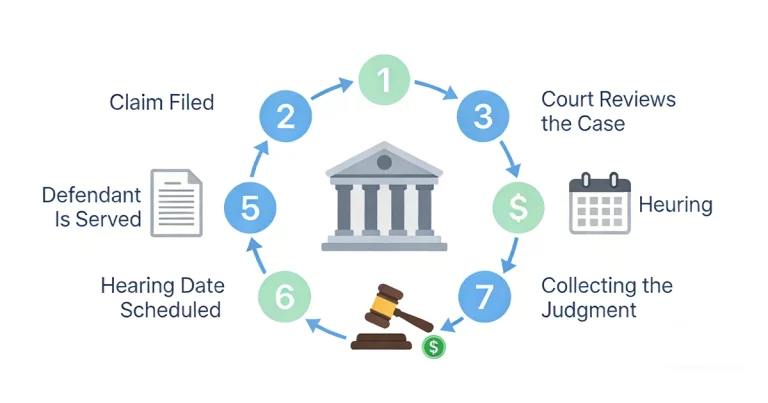
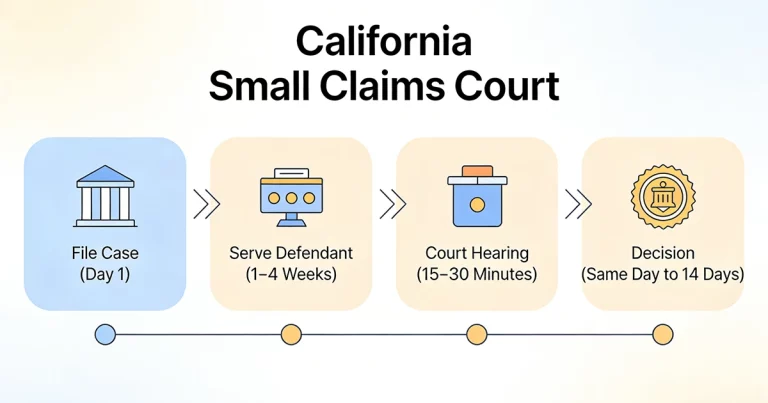
Evictions in NC typically take 2–4 weeks, making the system landlord-friendly.
1. Written Notice
2. File in Small Claims Court
Cases are usually scheduled within 7–14 days.
3. Judgment
If the landlord wins, tenant must vacate.
4. Writ of Possession
Sheriff enforces the eviction.
8. 🚫 Fair Housing Requirements in North Carolina
Landlords cannot discriminate based on:
North Carolina also requires reasonable accommodations for disabled tenants.
9. 🏛️ Where Landlords Can File Disputes or Get Help (Official Resources)
✔ Small Claims Court
Handles evictions, deposits, and disputes under $10,000.
✔ North Carolina Attorney General – Consumer Protection
For landlord–tenant law issues.
✔Local Co
✅ North Carolina Eviction Notice Forms – Free Download Pack
All essential eviction notices in one clean, attorney-style template pack.
📄 What’s Inside the Download Pack
This downloadable bundle includes the three most commonly required eviction notices in North Carolina, all formatted professionally and ready to use:
10-Day Notice to Pay Rent or Quit (Non-Payment of Rent)
Notice to Comply or Vacate (Lease Violation)
30-Day Notice to Vacate (Month-to-Month Termination)
Both files include all templates, organized with headings and clear spacing for easy editing or printing.
📥 Download the Complete Pack
🔹 Editable DOCX Version
Perfect for customizing, adding details, or inserting your own letterhead.
🔹 Print-Ready PDF Version
Great for immediate use or physical delivery to the tenant.
🛠 How to Use These Forms
Download either DOCX or PDF.
Fill in tenant details, the address, dates, and reason for notice.
Deliver the notice following North Carolina’s service requirements.
Keep a copy for your records before filing for Summary Ejectment (if needed).
⚠ Legal Note
These templates follow the general requirements of North Carolina landlord-tenant law, but they do not replace legal advice.
For complex situations or disputes, consider consulting a licensed NC attorney.
Expertise
This guide is written based on North Carolina General Statutes (Chapter 42), county-level housing codes, and commonly accepted landlord practices across the state.
Experience
Content is informed by real landlord–tenant cases in North Carolina, including issues related to deposits, repair delays, eviction filings, and communication disputes.
Authoritativeness
All legal references align with North Carolina state law, Small Claims Court procedures, and guidance from state government agencies such as the North Carolina Attorney General.
Trustworthiness
Clear citations, practical examples, and step-by-step processes ensure accuracy. Readers are encouraged to verify details with official state resources and consult professional legal counsel for complex cases.